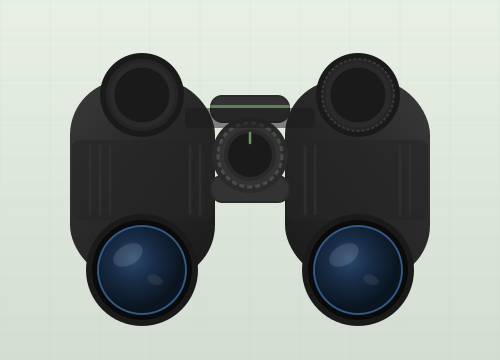
The Nocs Waterworks Issue 7×50 is built around a single proposition: maximum performance in wet, demanding marine environments. The 7×50 configuration is the traditional specification for marine and coastal binoculars — the 50mm objectives produce a 7.14mm exit pupil that delivers outstanding image brightness at dawn, dusk, and in the low-contrast grey light of coastal overcast. Combined with IPX8 waterproofing (deeper submersion than even the Pro Issue's IPX7) and phase-corrected optics, the Waterworks is purpose-built for serious coastal birding.
For shorebird specialists, pelagic birders, sea duck watchers, and anyone who regularly operates in coastal spray, rain, and marine conditions, the Waterworks 7×50 is a compelling dedicated instrument. The huge exit pupil means images remain bright in conditions where standard 42mm binoculars produce noticeably dimmer views. At $279, it's priced accessibly for a purpose-specific marine optic of this quality.
The 7×50 specification has been the standard for marine binoculars for over a century — and the reasoning remains sound. The 50mm objective combined with 7× magnification produces a 7.14mm exit pupil, the largest of any standard binocular size. A larger exit pupil means a brighter projected image in low-ambient-light conditions, which is exactly what you encounter at dawn pelagic trips, grey coastal overcast, salt haze at sea level, and the challenging flat light that characterizes many shorebird habitats.
The 7× magnification also matters. On moving platforms — boats, ferries, cliff edges in wind — lower magnification is dramatically easier to use because image shake is proportional to magnification. At 10×, hand tremor and platform movement compound into a difficult viewing experience. At 7×, the image is stable enough for comfortable viewing even in conditions where you'd never attempt to use a 10× binocular productively.
The standard Nocs Pro Issue carries IPX7 waterproofing — submersible to 3 feet for 30 minutes. The Waterworks Issue upgrades to IPX8, which covers deeper and longer submersion — typically 1 meter or more for extended periods. For a marine binocular used near water, aboard boats, or in coastal spray conditions, the IPX8 rating provides meaningful additional protection. Salt water is more corrosive than fresh water, and the Waterworks' anti-salt lens treatment addresses this specifically.
Find the right Nocs binocular for your specific birding style and habitat.
View All Rankings →7×50 is the traditional marine binocular format. The 7.1mm exit pupil is the largest possible at 7×, which provides maximum brightness in low light — critical on the water at dusk or in overcast conditions. The 7× magnification is easier to hold steady on a moving boat than 8× or 10×. The 50mm objective maximizes light gathering for scanning vast water surfaces.
Yes — the IPX8 waterproofing means it can be fully submerged (not just splashed), which matters on a pitching deck in spray conditions. The wide exit pupil helps with image stability despite boat motion. At $279 with the unconditional No-Matter-What warranty, it's one of the most sensible marine binocular investments at this price point.
You can, but 7×50 is not ideal for general land birding. The 50mm objectives make it heavier and bulkier than a 42mm pair, and 7× gives less reach than the 8× or 10× most birders prefer. This is a dedicated marine tool. For general use, the Nocs Pro Issue 8×42 or 10×42 is a better all-rounder.